A handshake may still carry weight in rural America, but when it comes to cash renting farmland, agricultural experts say it is increasingly insufficient in a landscape shaped by volatile markets, rising costs and generational transitions.
Across Indiana, cash rental agreements remain a cornerstone of modern agriculture, offering landowners a steady source of income while allowing farmers to expand operations without the heavy capital investment required to purchase land. Yet the simplicity of a verbal agreement often belies the complexity underneath. Variables ranging from soil productivity to commodity prices—and even the shape of a field—can significantly influence both the value of the land and the success of the arrangement.
“So, the big [question] that everyone is going to start with is, what can this field or this piece of land—how much can it yield? That’s the first thing that we’re always going to look at,” said Ann Kline with Purdue Extension-Noble County. “In addition to that yield, you’re looking at how well drained is it? Does it have drainage tile? You know, drainage tile’s not typically the most exciting topic of conversation, but neither is replanting corn.”
Those agronomic details are not trivial. According to the Purdue Agricultural Economics Report, cash rents for tillable land in northeast Indiana vary widely depending on productivity—ranging from roughly $201 per acre for lower-quality ground to about $306 for highly productive fields. Federal estimates from the U.S. Department of Agriculture have historically come in lower, underscoring how localized and variable the market can be. Factors such as irrigation, proximity to a farmer’s base of operations, pest pressure and even the presence of conservation practices can shift rental values significantly.
For both landlords and tenants, that variability reinforces the need for clarity at the outset.
Kline said landowners and prospective tenants should sit down early in the process to align expectations—not only about price, but also about stewardship practices, maintenance responsibilities and long-term goals for the property.
“We’ve all been in those situations where the person that we shook hands with, they pass away, and now you’re looking at their kids or someone else who’s owning that land and you have to communicate well,” Kline said. “So, I think that’s just one of many reasons that a written contract is so important.”
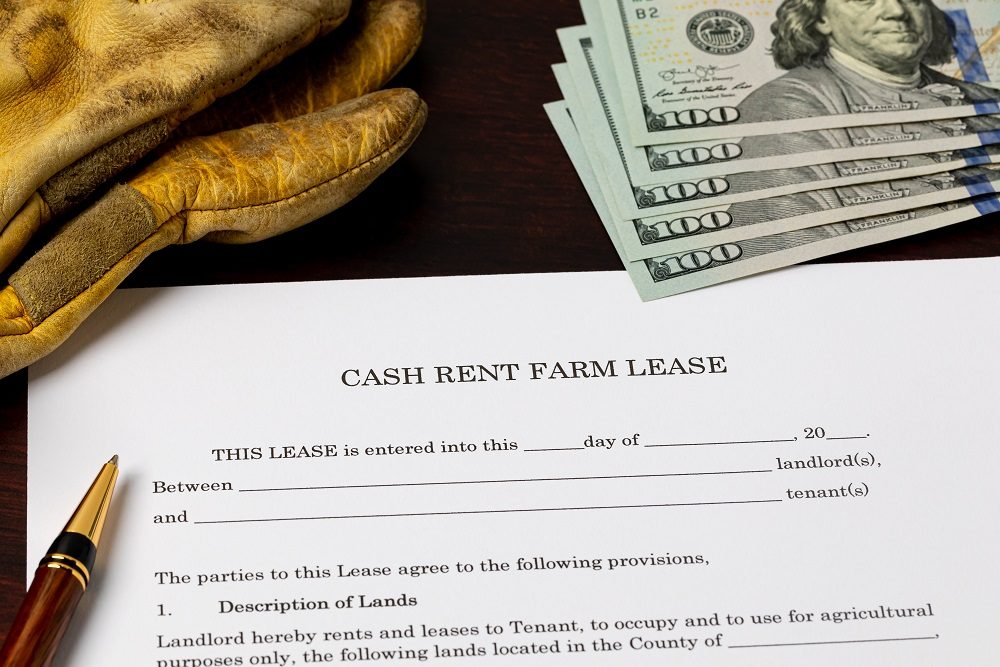
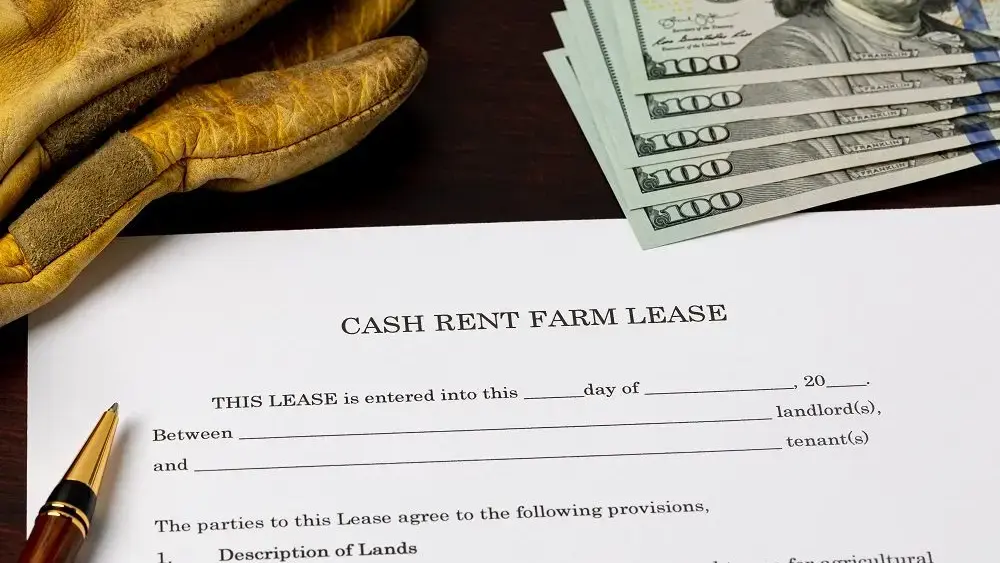
A written lease, experts say, serves two essential purposes: it creates a detailed record of the agreement and provides legal proof should disputes arise. While oral leases remain common—and are legally valid—misunderstandings, lapses in memory or changes in ownership can quickly complicate even the most amicable arrangements. The process of drafting a contract itself often forces both parties to address issues that might otherwise go unspoken, from payment schedules to land use restrictions and termination clauses.
For tenants, the stakes can be particularly high. Under a typical cash lease, the farmer assumes all production and price risk—paying a fixed rent regardless of yields or market conditions—while retaining all potential profits if conditions are favorable. That structure demands both financial resilience and careful planning.
“It’s gonna make [the agreement] legally enforceable, and you want to think that relationship is going to continue smoothly, but you never know what unexpected thing is going to pop up,” said Courtney Schmidt with Purdue Extension-Miami County.
Even in family operations, where trust may run deepest, Schmidt cautioned against relying solely on informal understandings.
“Farm family business can be very difficult, but you’ve got to learn that separation and those boundary lines and keeping everything in writing and understand what ‘family time’ is and what ‘business time’ is,” she said.
Beyond legal protections, strong lease agreements often reflect a broader partnership. Landowners increasingly look for tenants who prioritize soil health, crop rotation and responsible chemical use—practices that preserve the long-term productivity of the land. In turn, tenants may negotiate terms that recognize investments in improvements such as drainage, fertility or conservation measures.
Ultimately, experts say, successful cash rent agreements hinge on more than price. They depend on communication, transparency and a shared commitment to stewardship—qualities that cannot be captured in a handshake alone.
As farmland continues to change hands and economic pressures reshape agriculture, the message from extension educators is clear: putting agreements in writing is not just a formality, but a safeguard—one that helps ensure both the land and the relationships built upon it endure.
CLICK HERE for a sample Cash Farm Lease Form (Pages 4-8) provided by Purdue Extension.
CLICK BELOW for Hoosier Ag Today’s radio news report: