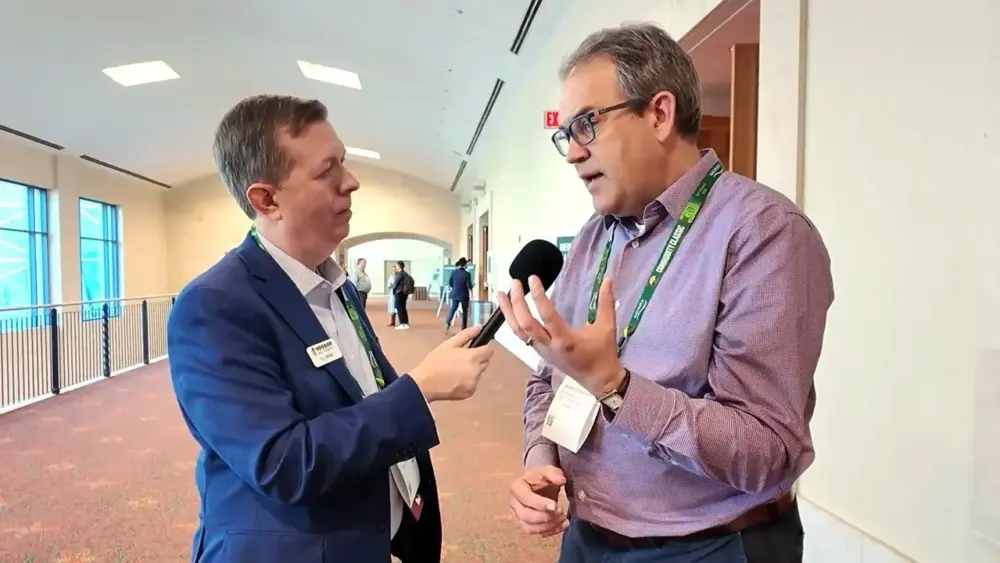
At Commodity Classic in San Antonio, grain leaders are expressing concerns over the Supreme Court’s recent tariff ruling, warning that unpredictable trade policy could rattle exports.
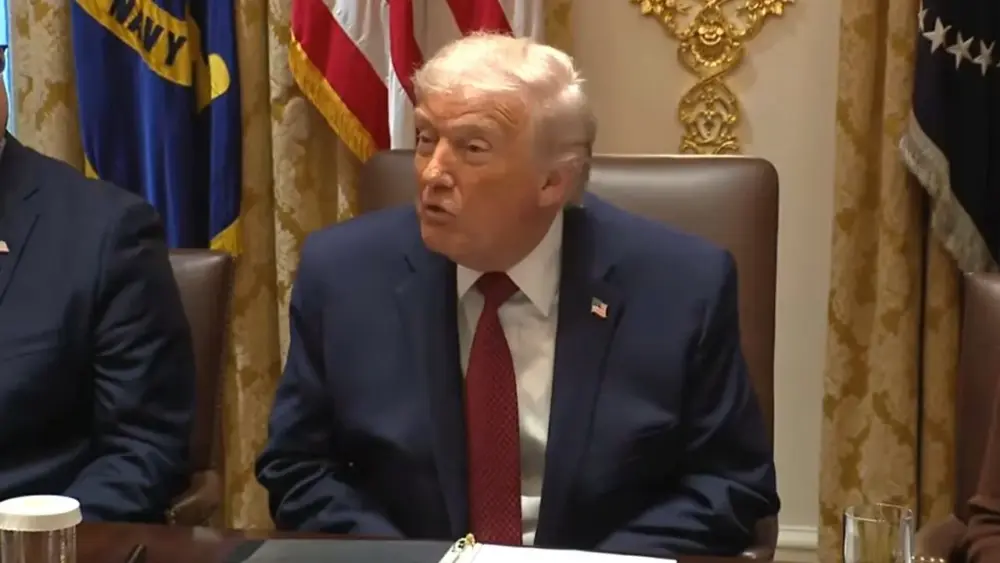
Mike Steenhoek, Executive Director of the Soy Transportation Coalition, said the uncertainty over the long-term future of Trump’s tariffs could bring about another breakdown in the supply chain system.
“What concerns us, when you’ve got this kind of erratic on-again, off-again landscape—when it comes to international markets, that really has a detrimental impact on our ability to export,” he said.
“So, getting to that predictability is really key for us because then, what we have to do, is have a supply chain that can accommodate that, and those things are very expensive. They take a long time to develop. They take a long time to maintain, and they’re very capital-intensive. Having that predictability and that reliability is really going to be key.”
Steenhoek said that the U.S. soybean industry is well positioned to whether the storm over the uncertainties that may lie ahead with Trump’s tariffs.
“The good news is that we’ve got strong demand for protein around the world. We continue to produce the finest soybeans and soy products in the world. Even though there’s a lot of opportunities for improvement, we still have the best transportation system in the world. So, the table is set for us to have some success. Having that predictability is really important,” said Steenhoek.
He also said that in order to improve the competitiveness of U.S. agricultural exports, you must improve the infrastructure that accommodates it.
“When you invest in our roads, our bridges, our inland waterway system, our freight rail system, our ports, 100% of the beneficiaries of that are U.S. agriculture. And so, it still remains, it’s a game that’s won or lost based on price. And so, any time you make that investment, you’re helping reduce the cost per ton or per bushel of that particular product.
“We do need to do a better job of investing in our roads and bridges. Congress is supposed to do a new Highway Bill during the course of this year,” said Steenhoek. “We also need to invest more in the inland waterway system. Congress is supposed to do what’s called a water Resources Development Act. They’re supposed to do that every two years.
“We’ve had some successful projects that we’ve participated in over the last number of years, where we’ve invested some money in some port projects. The government has invested in some as well. And now, all of a sudden, we’ve got greater capacity at a number of these port regions, around the country. That all leads to increasing our competitiveness. We need to continue to do things like that once again,” he said.