
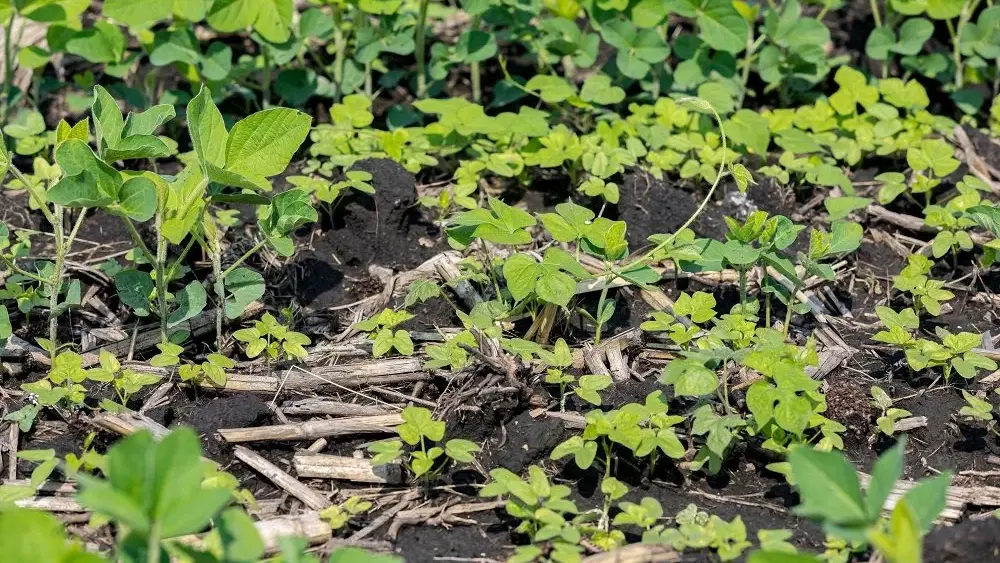
Growers are already looking ahead to the 2026 growing season, and weed management is at the top of the list. Early-season control is critical for protecting yield, especially as weeds continue to develop resistance to post-emerge options.
One pre-emergence tool many farmers rely on is pyroxasulfone, a residual herbicide known for strong control of tough grasses and small-seeded broadleaf weeds. But there’s a catch…without the use of a safener, pyroxasulfone can cause significant crop injury in corn, especially under stressful growing conditions.
“Early-season weeds, I mean, honestly, they start impacting the potential as soon as that crop comes out of the ground. It’ll actually change its leaf orientation,” says TJ Binns, an agronomic service representative with Syngenta.
He adds, “One of the important things to remember with that it is not only impacting the above-ground portion, but it’s actually affecting your roots. It’s going to reduce the amount of root mass on that crop, so any stress that comes on later in the season will actually have a detriment, just because you’ve already got less of a root mass there to be able to pick up your nutrients, moisture, and everything else.”
Binns says that by pairing effective weed control technologies with built-in safeners, they help protect corn during early growth while still delivering long-lasting residual control.
“Crop safety is important because, once again, any time that plant is working a herbicide or anything, really, I mean, any stress through its system, it’s taking its effort away from growing the plant material we need. You know, if it’s trying to work that through its system, it’s not developing the roots. It’s not developing leaves, which is what we’re needing later on in the growing season to be able to collect that moisture, be able to collect that sunlight, to produce the grain. But that’s really what we’re worried about,” said Binns.
As growers plan ahead, agronomists encourage taking a close look at herbicide programs that balance weed control with crop safety — setting the stage for a cleaner start and stronger crop in 2026.