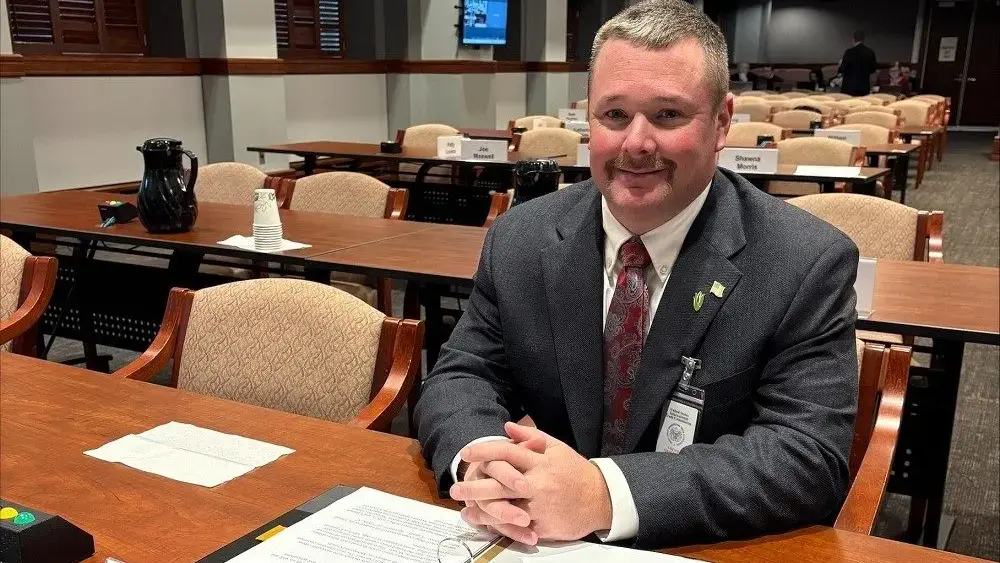
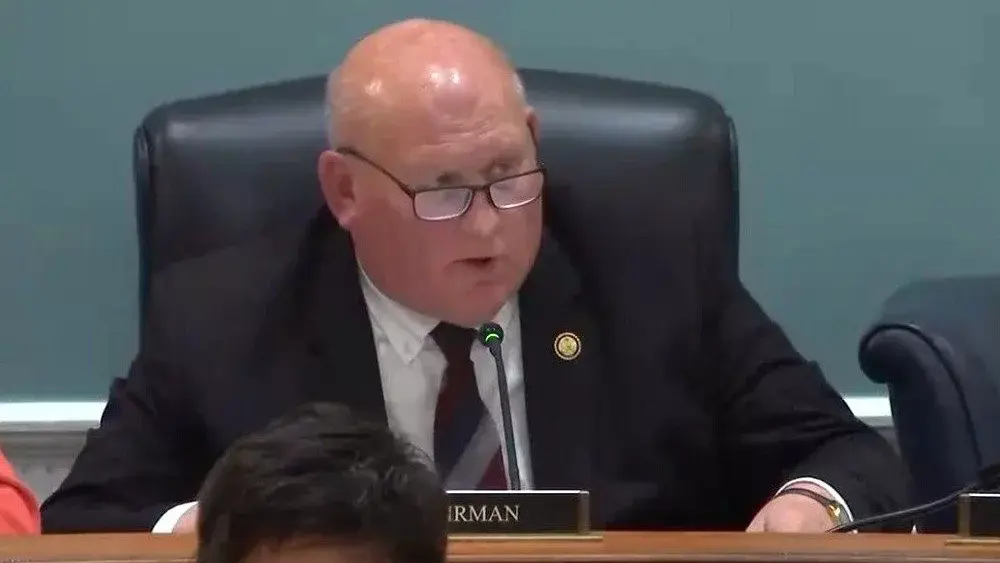
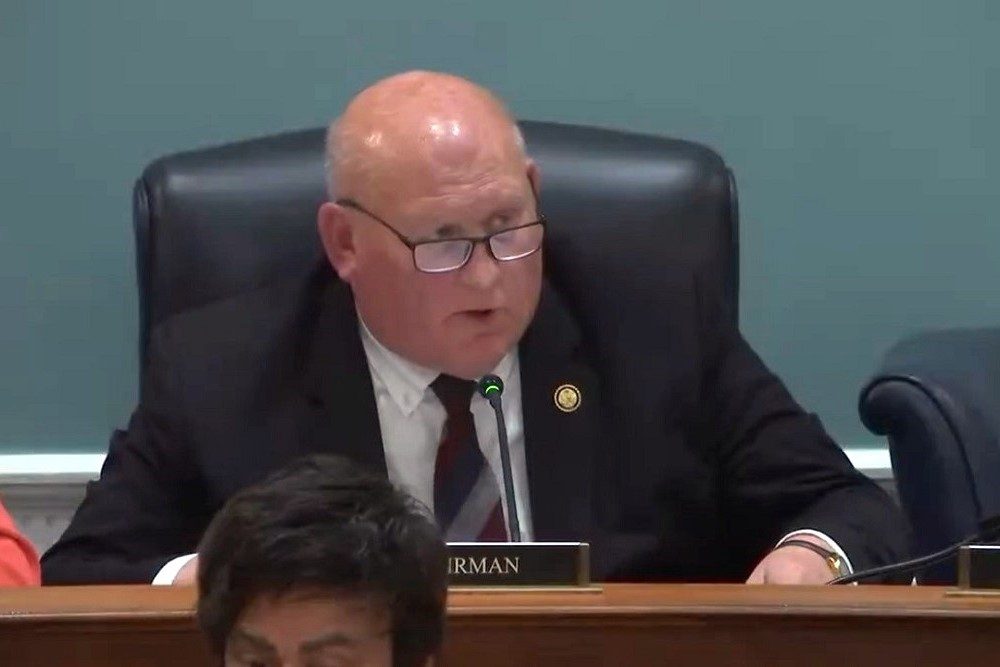
As Congress revisits the nation’s agricultural safety net, Congressman Glenn “G.T.” Thompson (R-PA-15), Chairman of the House Agriculture Committee, is signaling that farm labor reform will soon take center stage alongside the next iteration of the farm bill.
Speaking as lawmakers advance what he has dubbed “Farm Bill 2.0,” Thompson said efforts to modernize the H-2A visa program are poised to follow once the legislation moves to the Senate.
The proposal, still in development, would aim to expand access to the H-2A visa program while adapting it to better serve year-round agricultural operations — a longstanding concern among producers who rely on a stable workforce beyond seasonal needs. Thompson described the forthcoming measure as a “discussion draft” that will be released for several weeks of industry feedback before formal introduction.
Advocates for reform have argued that the current system, designed primarily for temporary or seasonal labor, has struggled to keep pace with the evolving demands of modern agriculture, particularly in sectors such as dairy and livestock that require consistent, year-round staffing. The anticipated changes are expected to include provisions aimed at improving flexibility for employers and increasing worker availability, while maintaining regulatory safeguards.
Thompson noted that the effort builds on years of legislative groundwork, dating back to debates during the 118th United States Congress. If enacted, he said, the measure would represent the most significant overhaul of the agricultural labor system since reforms implemented during the Reagan administration.
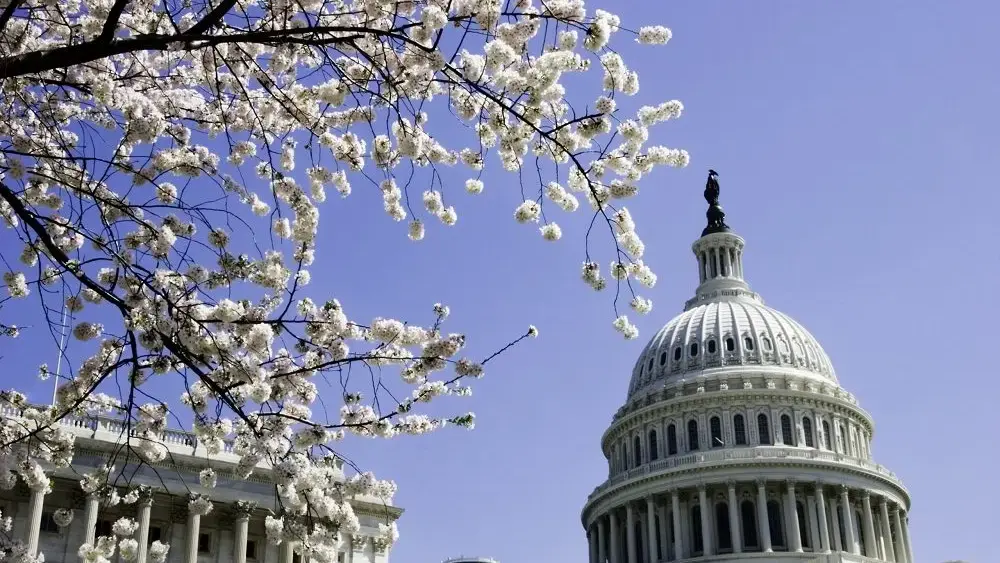
The push underscores a broader recognition on Capitol Hill that labor shortages remain one of the most persistent challenges facing U.S. agriculture, with producers and processors alike calling for a more reliable and modernized workforce pipeline.
If successful, the proposed legislation could mark a pivotal shift in how the United States supports its agricultural labor force, bridging decades-old policy gaps to better align with the realities of today’s farming economy.