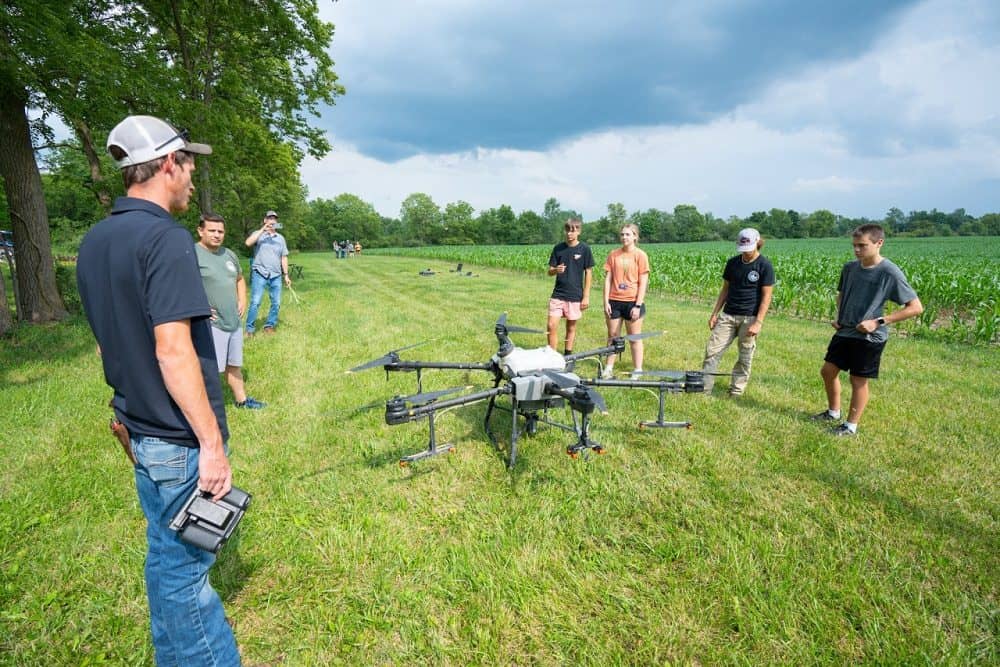
The Federal Aviation Administration is stepping up enforcement of drone regulations, signaling a shift that could reshape how farmers deploy rapidly expanding unmanned aircraft technology across the countryside.
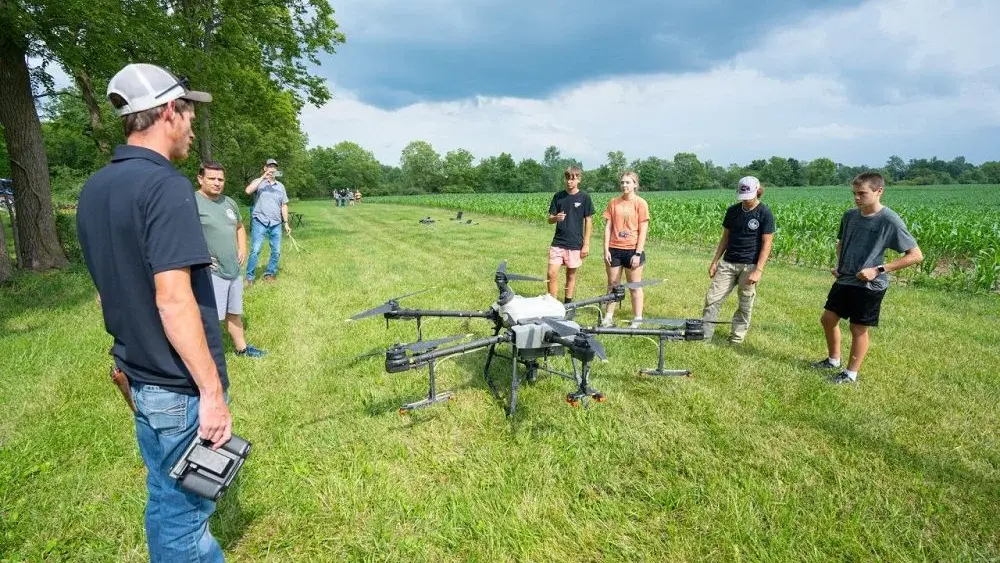
The Federal Aviation Administration said it is streamlining how it detects and penalizes violations, targeting issues such as unauthorized aerial spraying and operations that exceed approved limits. The move comes as drones have become an increasingly common tool in agriculture, where they are used for precision tasks including pesticide application, crop scouting and detailed field mapping.
Federal officials say the updated approach is designed to keep pace with the explosive growth of drone use not only on farms but across multiple industries. By tightening oversight, regulators aim to improve safety, ensure proper chemical handling and create more consistent accountability among operators.
But the changes could also pose challenges for farmers who have come to rely on drones to boost efficiency and reduce input costs. Industry groups broadly support stronger safety standards yet caution that the regulatory landscape remains complex, particularly for producers who must navigate overlapping requirements tied to aviation rules and chemical applications.
Under current guidelines, drone operators must obtain proper certification and adhere to restrictions governing where and how they can fly. That includes limits on altitude, proximity to restricted airspace and strict rules surrounding the aerial application of pesticides and other crop protection products.
Agricultural groups say compliance will be key as enforcement ramps up. Farmers using drones are being urged to review licensing requirements, double-check operational procedures and ensure they remain within federal guidelines to avoid potential penalties as scrutiny increases.