
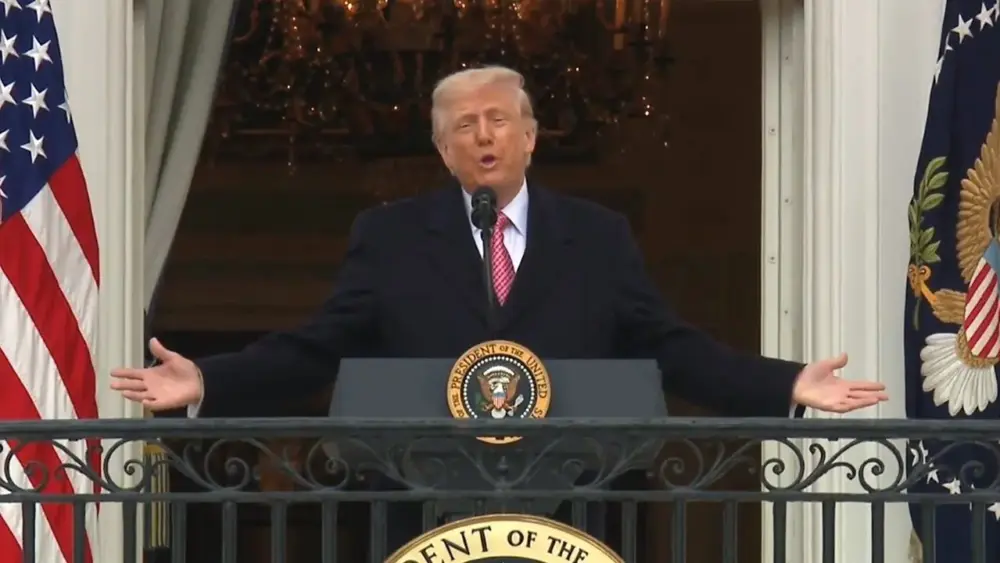
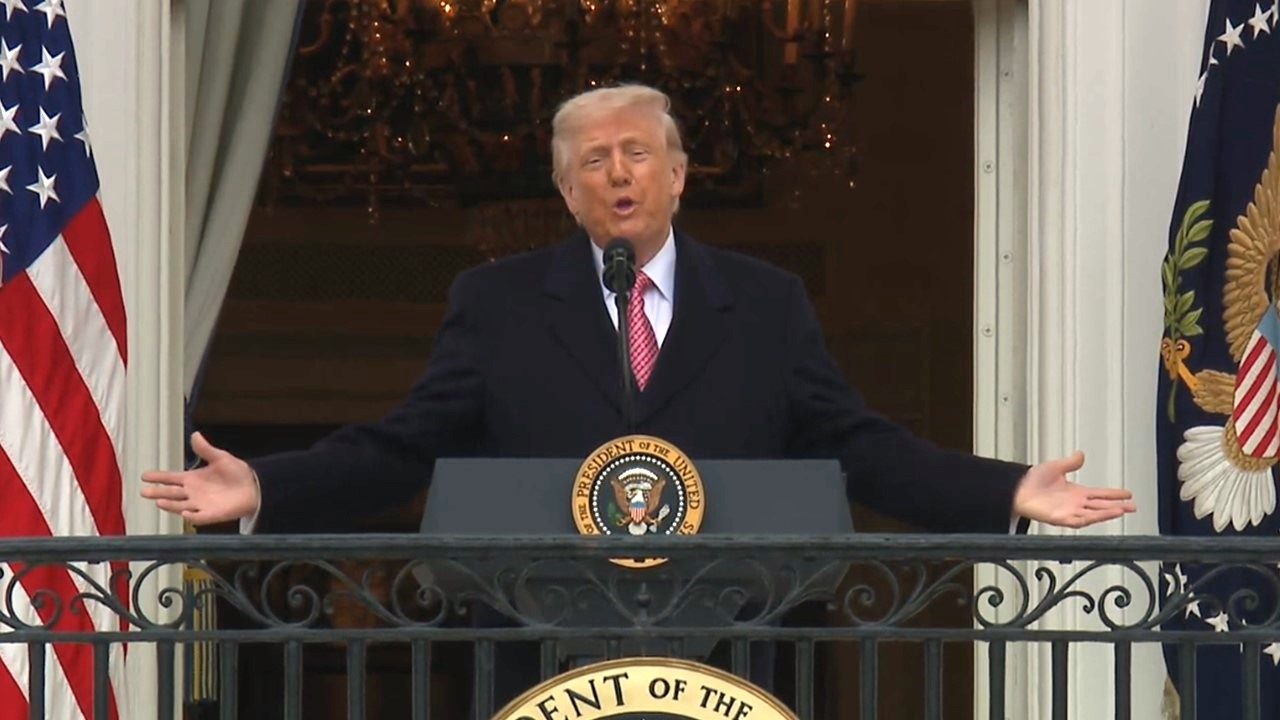
At a White House event celebrating American agriculture, President Trump on Friday announced a pair of sweeping environmental and energy policy moves aimed at boosting farmers, truckers and domestic fuel producers, as his administration seeks to reshape federal rules affecting rural economies.
The U.S. Environmental Protection Agency (EPA), led by Administrator Lee Zeldin, said it will remove a key requirement for diesel exhaust fluid (DEF) sensors in heavy equipment and trucks, citing widespread complaints from farmers and freight operators about system malfunctions that can trigger sudden slowdowns or shutdowns. The agency said the change will allow manufacturers to rely more on alternative emissions-monitoring technology and could save billions annually in repair costs and lost productivity.
Federal officials described the move as a response to mounting frustration across the agricultural and transportation sectors, where faulty DEF systems have been blamed for costly delays during critical planting and hauling seasons. The administration said it will continue reviewing data from manufacturers as it considers longer-term regulatory changes, while maintaining that overall emissions standards will remain in place.
At the same time, the EPA finalized new renewable fuel blending mandates for 2026 and 2027 under the Renewable Fuel Standard, setting the highest targets in the program’s two-decade history. Administration officials said the rule is designed to expand the use of U.S.-grown biofuels such as ethanol and biodiesel, strengthen demand for corn and soybean producers, and reduce reliance on foreign oil.
Agriculture Secretary Brooke Rollins said the new requirements could increase net farm income by billions of dollars, while the EPA projected the policy would generate significant economic activity in rural communities and spur growth in biofuel production. The agency estimates that meeting the new targets will require a sharp increase in biodiesel and renewable diesel output over the next two years.
The rule also rolls back prior efforts to incorporate electricity into the renewable fuel program and introduces incentives favoring domestically produced biofuels over imports beginning later this decade.
Together, the announcements reflect the administration’s broader push to align environmental policy with agricultural and energy priorities, offering regulatory relief to equipment operators while expanding federal support for biofuel markets that underpin much of the rural economy.