A series of grain dust explosions across the United States last year left more people dead and injured than the year before, even as the total number of incidents declined — a troubling trend that safety experts say underscores ongoing risks in agricultural facilities.
Seven explosions were reported nationwide in 2025, according to an annual study performed by Purdue University, down from nine in 2024 and slightly below the 10-year average of 8.5. But those incidents resulted in 10 injuries and four fatalities, a sharp increase from just two injuries and no deaths the previous year.
The explosions occurred across a range of agricultural operations, including two commercial grain elevators, a farm-operated elevator, a seed processing facility, a feed mill, a flour mill and a biofuel plant — highlighting what researchers describe as widespread vulnerabilities in dust management practices.
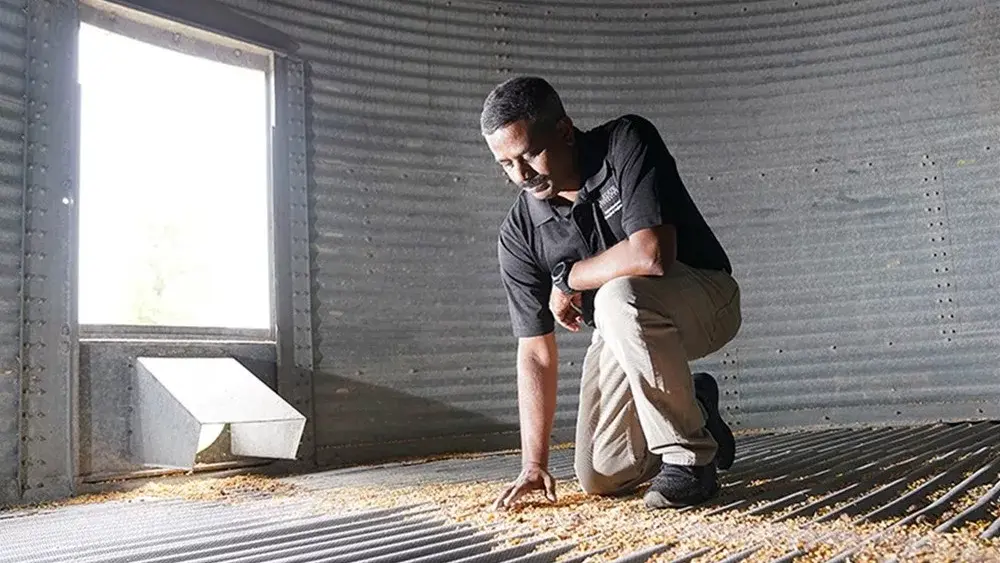
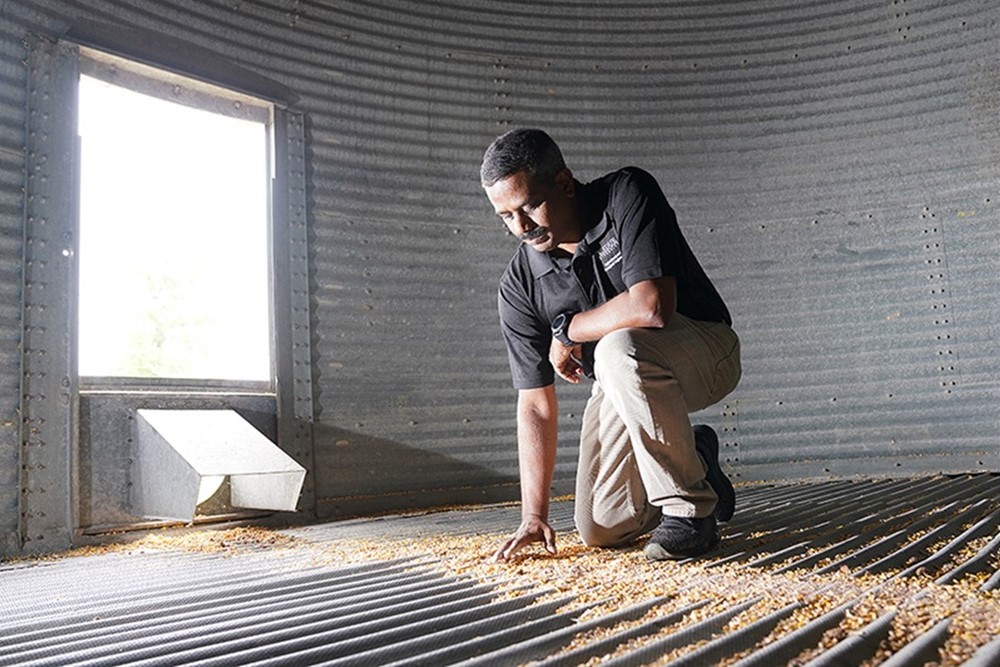
“Incidents occurring across a variety of agricultural industries highlight persistent vulnerabilities in explosive dust management,” said Kingsly Ambrose, Professor of Agricultural and Biological Engineering at Purdue University and the report’s author. “The increase in fatalities and injuries underscores the urgent need for broader adoption of dust control practices and stronger safety interventions to prevent future injuries and loss of life.”
Investigators were able to identify likely ignition sources in four of the seven cases, including smoldering grain, equipment maintenance work, an overheated bearing and a dust fire. In the remaining three incidents, the ignition source could not be determined.
Grain dust was the most common fuel, contributing to five of the explosions. Other incidents involved wood dust or an unknown combustible material.
The explosions were geographically dispersed but clustered in several states. Texas and Ohio each reported two incidents, while Minnesota, North Dakota and Nebraska each recorded one.
Ambrose said many of the risks that lead to explosions can be mitigated with preventive measures that begin well before harvest. Ensuring equipment is properly maintained — particularly components such as bucket elevators, where belt misalignment can generate heat and friction — is critical, he said.
Storage conditions after harvest also play a significant role. Improper aeration can lead to fungal growth, causing grain or feed to smolder and increasing the likelihood of ignition within storage bins.
More broadly, Ambrose emphasized the importance of rigorous housekeeping practices, noting that accumulated or airborne dust can pose both an explosion hazard and a threat to worker health.
“Keep the place clean,” he said. “Make sure there is no visible settled dust or suspended dust in the air.”
CLICK HERE to read the full report.