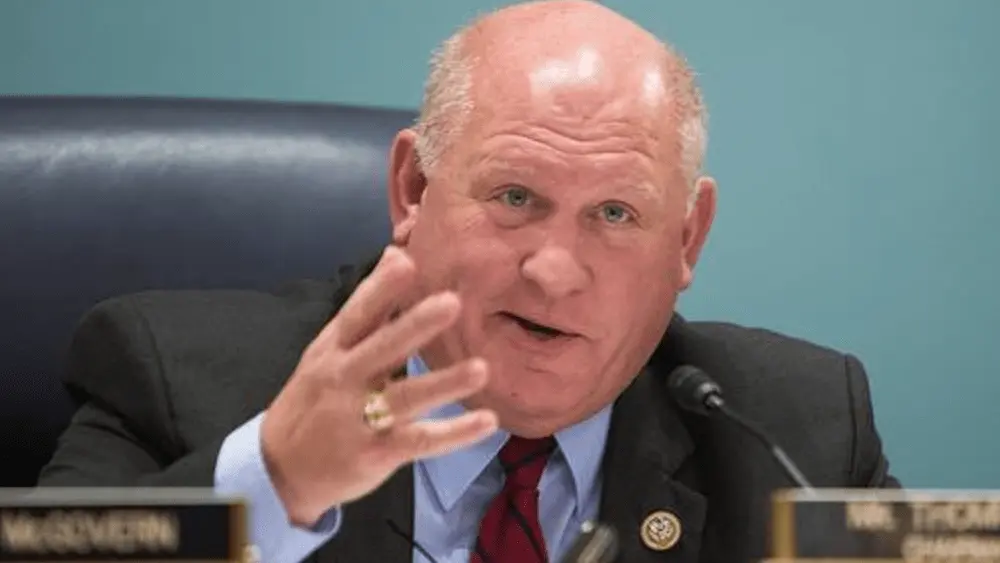
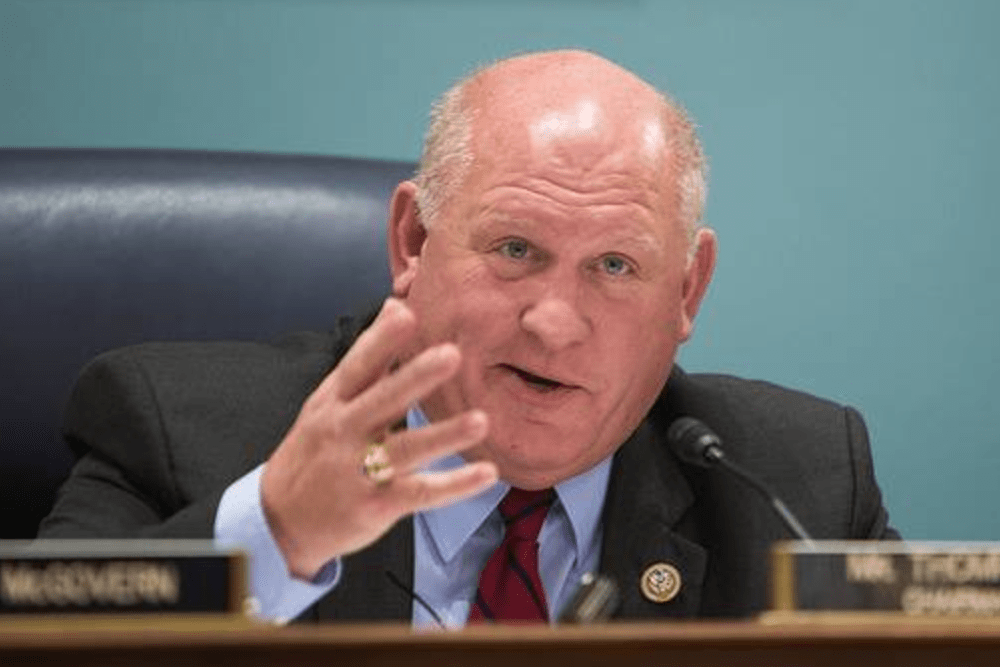
The U.S. House Committee on Agriculture on Friday released the full text of Farm Bill 2.0, which was introduced by Rep. Glenn “GT” Thompson (R-PA-15), Chair of the House Ag Committee.
The bill, which is formally called the Farm, Food, and National Security Act of 2026, includes increased funding for Title I commodity subsidies and crop insurance, as well as a legislative fix for California’s Prop 12, and protection for pesticide producers and consumers from lawsuits and liability loopholes.
Republicans on the House Ag Committee say they will make up the bill on Feb. 23.
“A new farm bill is long overdue, and the Farm, Food, and National Security Act of 2026 is an important step forward in providing certainty to our farmers, ranchers, and rural communities,” said Thompson in a statement.
However, Rep. Angie Craig (D-MN-02) has already expressed her disappointment in the legislation.
“Our review of the legislative text is ongoing. Based on what I know, the Republican farm bill fails to meet the moment facing farmers and working people,” said Craig in a statement.
“Farmers need Congress to act swiftly to end inflationary tariffs, stabilize trade relationships, expand domestic market opportunities like year-round E15 and help lower input costs. The Republican majority instead chose to ignore Democratic priorities and focus on pushing a shell of a farm bill with poison pills that complicates — if not derails — chances of getting anything done,” said Craig.
“I strongly urge my Republican colleagues to drop the political charade and work with House Democrats on a truly bipartisan bill to address the very real problems farm country is experiencing right now — before it’s too late,” added Craig.
A comprehensive farm bill — the broad legislative package that governs agricultural and food programs — has not been passed since 2018, despite the fact that Congress typically renews it every five years. After the most recent bill expired in 2023, lawmakers extended many of its provisions through a series of continuing resolutions and temporary funding measures.
Several agriculture and nutrition assistance measures that would otherwise be included a five-year farm bill were later included in Republicans’ One Big Beautiful Bill Act, which passed last year and was signed into law by President Trump last July.
CLICK HERE for the full text and overviews of Farm Bill 2.0.