As farmers enter another year of production trying to make it better than a breakeven operation, be sure to take a hard look at that cost of production.
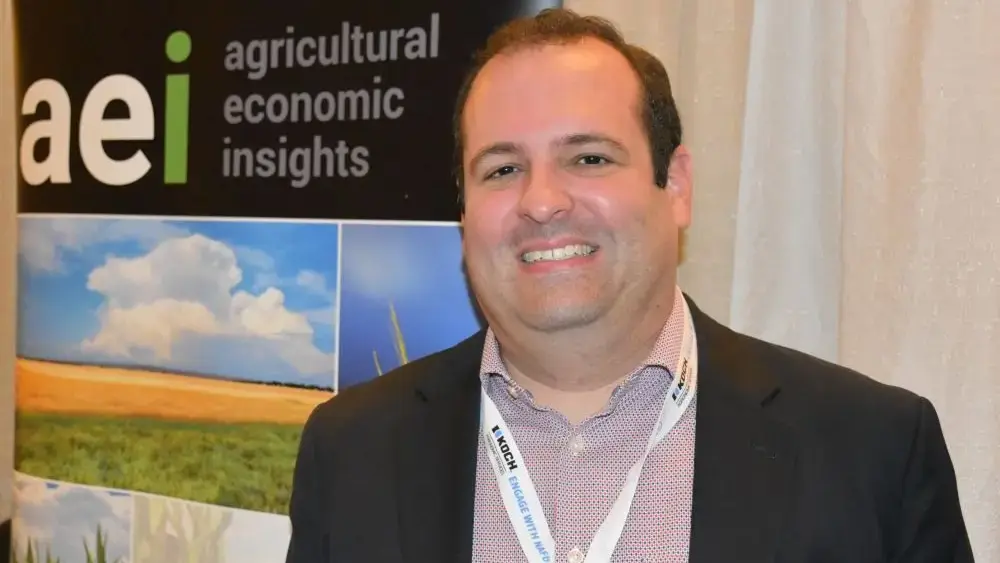
“Producers don’t have a lot of levers, but they’ve got to think about their fixed costs, their machinery costs, their land cost, family living, how can they get those adjusted to try to get themselves right sized for the profitability story.” says Agricultural Economic Insights managing partner David Widmar. He adds the big piece is farmland.
“Farmland is sort of the final mechanism,” he explained. “When we have profits in the sector, we bid up farmland values, and then when we have losses we tend to adjust, and farmland is one of those big adjustments.”
In their recent report that used Indiana data, AEI concluded cash rents are high relative to profitability, especially contribution margin.
“We have revenue, we have variable costs, and then contribution margin is what we use to pay rent, what we use to pay our family living, what we use to service our debt, but cash rents in Indiana are more than budgeted contribution margin. What does that mean? That we don’t have anything left to pay for our machinery, ourselves, our family, our debt, and so that’s a tough spot when you see some adjustment maybe coming in that way. And then the second piece is that farmland is at a really low capitalization rate. So, it’s at 2.2% cap rate that’s cash rents divided by the value. Think about it this way, you can go put it into a 10-year treasury or savings account and get something more like three and a half or 4%, so investors keep putting money in farmland at a 2% projection when there are other assets doing better. So, the farmland market is going to have to adjust to that as well.”
Widmar says you might need to consider walking away from a cash rent deal if it just doesn’t make sense, and that can be a very hard move to make. But he encourages you to have difficult renegotiation conversations where needed.
“I think most farmers struggle a lot with that,” he said. “That’s a very personal conversation. It’s kind of like saying I can’t afford this, and so that’s a very intimate conversation. But I think what we need to think about is we need to bid this asset that we’re going to utilize based on the conditions that are prevailing in the farm economy.”
Hear more from Widmar about how to have those conversations here: