

2025 was a ‘Tale of Two Farm Economies’ as cattle producers thrived in 2025, while corn and soybean producers struggled.
“On the livestock side things have been pretty good,” says Seth Meyer, former Chief Economist with USDA. He’s now the head of the Food and Agricultural Policy Research Institute (FAPRI) at the University of Missouri.
“We’ve seen record high feeder and fed cattle prices,” he says. “Beef demand has been really resilient and it has spilled into overall protein demand.”
One factor that’s driving beef prices higher is that cattle herds are at their lowest levels in decades.
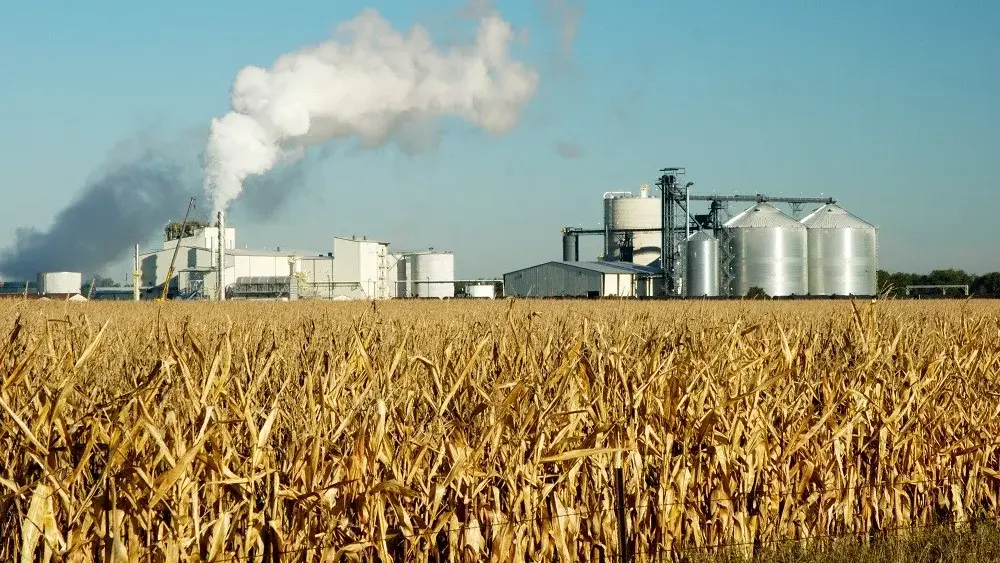
But, it’s been a completely different story altogether for America’s corn, soybean, and wheat producers—as many felt the squeeze in 2025.
“As commodity prices have come down for their 2022-23 peak, we haven’t necessarily seen the same moderation in input prices,” he says.
In addition to last year’s trade disruptions—including a Chinese boycott on U.S. soybeans for nearly half the year—many farmers chose to plant more corn acres than soybean acres. Last August, USDA had projected a record corn crop for 2025.
“There was a big shift from the June Acreage report to the August FSA-based acreage reporting data, where we found a lot more corn acres—and we saw it come at the expense, to some extent, of soybean acres.”
Meyer says the USDA’s $12 billion Farmer Bridge Assistance Program should help alleviate some of the stress that corn and soybean producers are facing.
“Into the coming year, we’re talking about bridge payments, which I think U.S. Agriculture Secretary Brooke Rollins has described as a method to get us to the safety net programs of the One Big Beautiful Bill Act—which would be the ARC and PLC payments to farmers in the fall,” says Meyer.
CLICK BELOW to hear Hoosier Ag Today’s radio news report:
Source: U.S. Department of Agriculture