Heading to another crop year in 2026, one expert has advice for soybean growers, and it comes from thinking about soybeans as a real crop, not just the crop you put in between corn every other year.
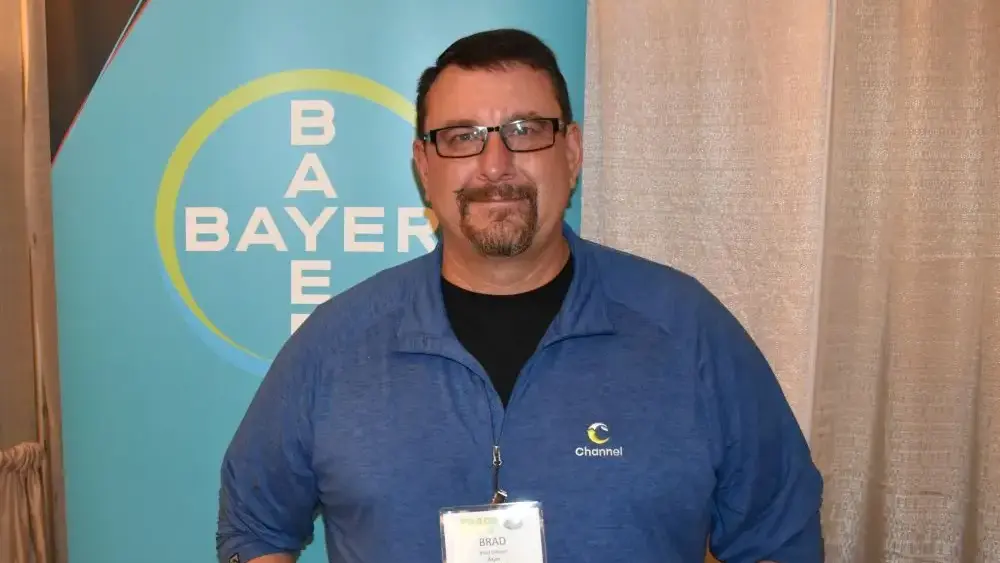
Brad Gibson, sales agronomist with Bayer and Channel Seed says the advice is simply to manage that crop.
“Treat it with the management practices you do with your corn,” he said, “from making sure of the placement, the seed soil contact is there from the start, the best treatments, manage populations accordingly, don’t over mix them. Mix varieties from maturities, whether it’s the XtendFlex platform or E3 platform. I think doing things the right way, from controlling weeds early, putting pre’s down, cover crops in my world is a big thing. I think that’s helped. Plant them early has really helped increase soybean yields.”
He says the yield improvements have been very evident.
“From 40 to 60 to now 50 to 80 bpa, and I think it’s a lot to do with the management. Whether it’s spraying fungicides over the top. There’s some micro stuff that guys are doing with boron and some of those types of things over the top that have seemed to really make a difference in soybean production. Just manage soybeans like they do corn.”
Gibson says a well-managed soybean crop not only yields more, it’s part of helping the farm survive tough times.
“I’ve had guys that do soybean after soybean after soybean because corn does cost more to put in, and in today’s environment to be able to keep your farm going long term you have to do more to maximize that production.”
Gibson noted seed treatments have had a major impact on growers being able to plant soybeans early, sometimes even before any corn is planted.
“Because we don’t have a problem getting stands for the most part, and sometimes the soybeans might lay there 5 to 6 weeks before they come out of ground, and we’re getting almost perfect stands. I think that’s really helped extend that season. This year for ‘25 we didn’t have very good conditions, especially to finish out. I’ve done this for 26 years, and in the past I really expected very little yields and we actually had average to slightly above average yields when it’s all said and done, and we probably shouldn’t have had half of what we got.”
Gibson is based out of St. Louis, but many farmers across the Midwest have seen better results than they expected with all of the dry conditions.