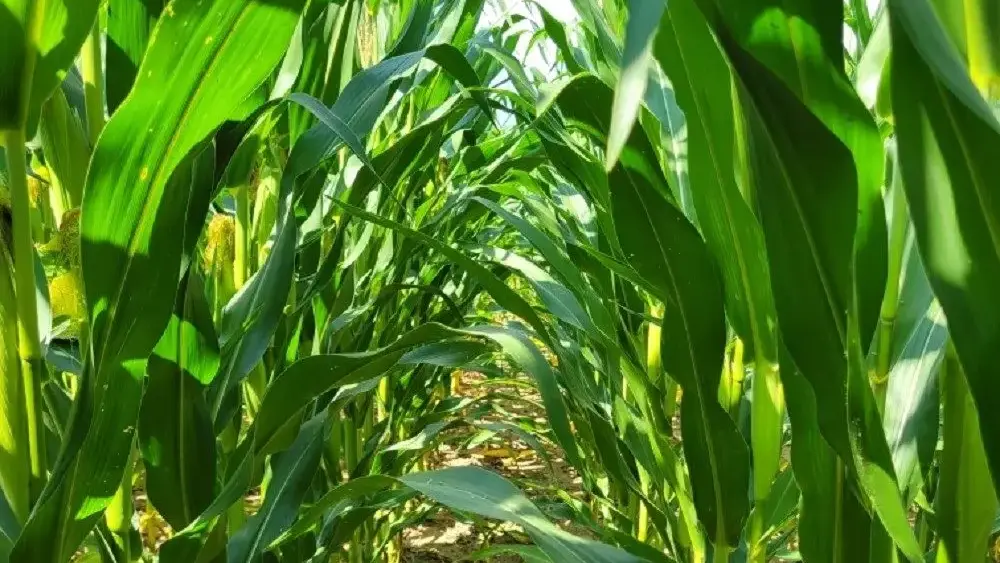

Michigan is home to four ethanol plants and two biodiesel facilities, which purchase and use a lot of corn and soybeans produced by Michigan’s farmers.
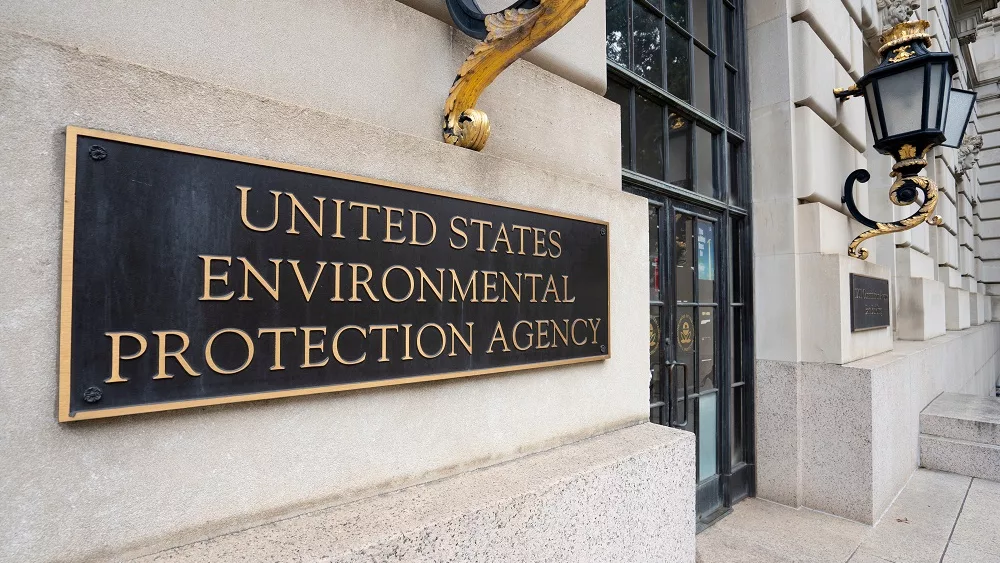
However, you may not know that our federal government has placed a limit on the amount of corn-based ethanol and soy-based biodiesel that can be blended with our petroleum-based fuel supply. Those limits are set by the Environmental Protection Agency (EPA).
“In 2023, the EPA set the RVO’s—the Renewable Volume Obligations—in the Renewable Fuel Standard (RFS) for three years, and what they set them at it ended up being about 3.2 billion gallons,” says David Cobb, Director of Federal Affairs with the Clean Fuels America Alliance, talking specifically about the limits EPA has placed on blending soy-based diesel with petroleum-based diesel.
Cobb tells Michigan Ag Today that EPA’s current limits are putting a huge damper on the entire biofuels industry.
“We ended up producing about 5.1 billion gallons [of biodiesel] and so there’s a two-billion gallon difference there in the amount that we produced in the amount that they required to be blended,” according to Cobb. “It creates a lack of balance there and it’s left a lot of supply out on the market. It’s resulted in some of our members going out of business. Many have idled their plants. Some are just producing the bare minimum right now.”
Cobb says they’re urging EPA to significantly increase the amount of biofuels allowed to be blended in 2026 to no less than 15 billion gallons for conventional ethanol and 5.25 billion gallons for biomass-based diesel.
“We’re waiting for some solid good news from the EPA,” says Cobb. “We have gone into EPA and other places in the [Trump] administration asking for that volume to be increased. It’ll be a huge increase, but it would be in line with our actual production and actual access to feed stocks like soybean oil.”
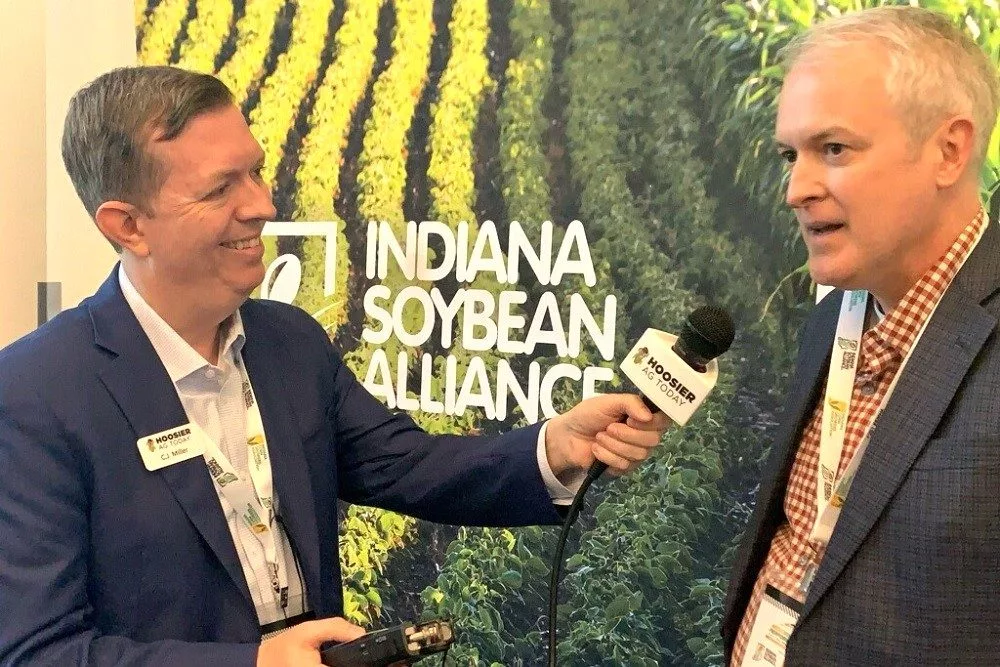
In April, several U.S. governors, including Iowa Gov. Kim Reynolds, Nebraska Go. Jim Pillen, South Dakota Gov. Larry Rhoden, and Missouri Gov. Mike Kehoe, sent a letter to EPA Administrator Lee Zeldin urging the agency to set higher Renewable Fuel Standard renewable volume obligations (RVOs) for biofuels.
On Thursday, President Trump announced that a new trade with the United Kingdom was nearly completed. The administration says the deal includes more than $700 million in ethanol exports.
Also a new study was recently released from Clean Fuels Alliance America that shows the U.S. biomass-based diesel industry generated $42.4 billion in economic activity in 2024, supported 107,400 jobs and paid $6 billion in annual wages.
According to the report, nearly half of the total economic impact—$19.9 billion and 41,500 jobs—came from fuel production, while oilseed production supported 30,600 jobs and generated $15.3 billion in economic activity, delivering major benefits to soybean-growing states. Significant employment was also reported in oilseed processing (8,600 jobs) and rendering (12,700 jobs).
CLICK BELOW to hear Michigan Ag Today’s radio news report: