
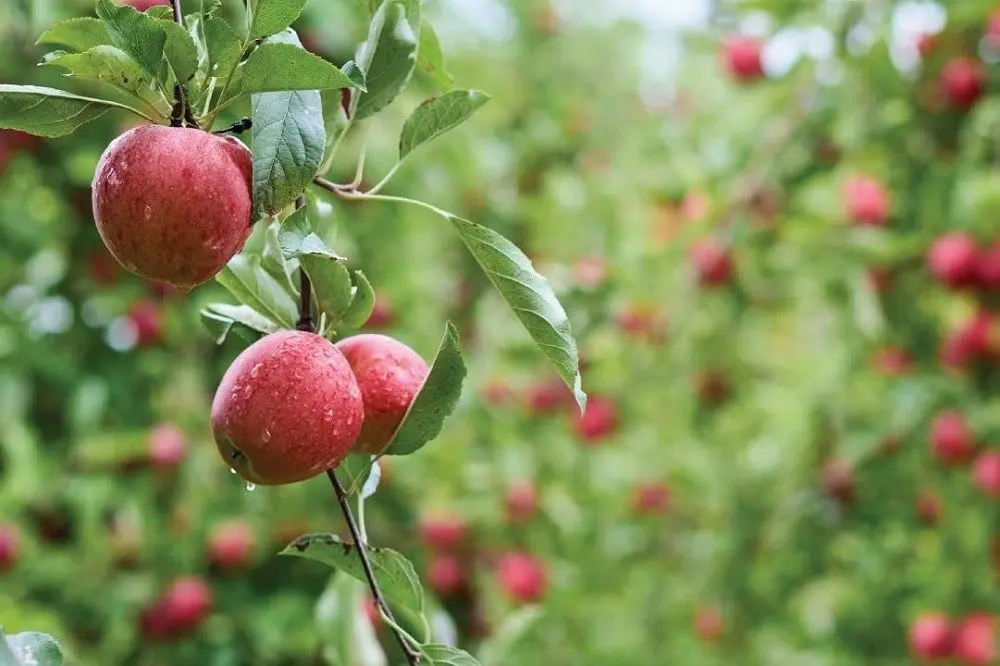
The U.S. Department of Agriculture is easing crop insurance rules for apple growers across six states following a catastrophic late-April freeze that threatened to disrupt the domestic fruit supply and squeeze regional agricultural economies.
The emergency measures, announced Monday by the USDA’s Risk Management Agency (RMA), will allow hard-hit growers in Michigan—as well as Maryland, New York, Pennsylvania, Virginia, and West Virginia to expedite insurance claims and gain more flexibility in how they market their remaining harvests.
The move expands on previous emergency interventions targeted at growers with total crop losses. The latest policy shift specifically targets orchards that suffered partial damage, allowing them to salvage what they can for either the fresh-fruit market or processing plants, which handle apples destined for juice, sauce, and baking.
Under standard federal crop insurance protocols, farmers often face administrative hurdles and delays in finalizing claims until an entire crop’s final disposition is determined. Under the new rules, the USDA is authorizing private approved insurance providers to settle claims on a case-by-case basis before the final sale of the crop.
“This flexibility puts Farmers First, allowing them to put their fruit to its best use, whether that’s fresh market, the processing market, or a combination,” said Richard Fordyce, the USDA’s Under Secretary for Farm Production and Conservation, in a statement.
The late-spring freeze struck a severe blow to the Mid-Atlantic and Midwest apple belts, catching trees during critical blooming stages. Agriculture economists warn that such weather anomalies disrupt localized supply chains, leaving packers and processors scrambling for inventory while threatening the cash flow of multi-generational family orchards.
To safeguard against potential overpayments or fraud, the USDA is requiring growers who harvest appraised acreage to sign certifications promising to provide verifiable production records within 30 days of their final sales. Insurance providers retain the right to issue corrected claims and claw back any overpaid indemnities if the final market sales exceed initial damage appraisals.
“RMA listened to apple growers and the crop insurance industry, and we responded with a commonsense approach,” said RMA Administrator Pat Swanson. He noted that the flexibility aims to keep domestically grown apples on grocery shelves while protecting taxpayer-funded crop insurance reserves.
The federal crop insurance program, which covers more than 130 crops, operates as a public-private partnership. While subsidized and regulated by the USDA, policies are sold and managed entirely by private crop insurance agents.
The RMA said it will continue to monitor orchard conditions in the affected states, leaving the door open for further regulatory adjustments as the fall harvest approaches.