


Your browser doesn’t support HTML5 audio
Global tensions involving Iran are already rippling through agriculture markets just as U.S. farmers prepare for spring planting.
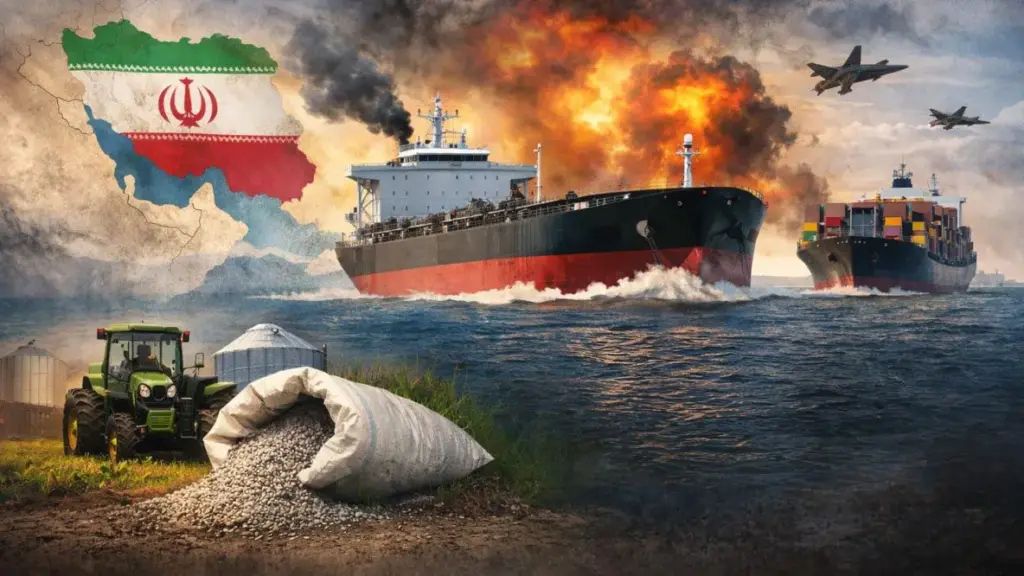
Industry analysts say fertilizer prices have begun climbing as conflict in the Middle East disrupts key shipping routes and raises transportation risks.
According to Faith Parum, an economist for the American Farm Bureau Federation, “Countries exposed to disruptions around the Persian Gulf account for about 49 percent of global urea exports and roughly 30 percent of global ammonia exports. And so, as those shipments move out of that area, they’re obviously at risk.”
Because of those risks, ships moving fertilizer through the region are now facing sharply higher war-risk insurance premiums and fewer vessels are willing to transit the area.
Parum says, “A very important step would be to keep these shipping lines open and make sure there’s safe passage for fertilizer ships. There have been promises of safe passages for crude oil and oil ships, but we also need to make sure that fertilizer is getting out of this region.”
For American growers, the situation highlights just how global fertilizer markets have become. Even though many nutrients are produced domestically, the supply chain relies heavily on international trade and shipping logistics.
“Even though we produce some of that fertilizer domestically, we still are in a global marketplace, and so, we’ll continue to see volatility throughout the season.” Parum concluded.
That means events happening thousands of miles away, from energy prices to geopolitical conflict, can quickly influence fertilizer availability and costs here at home as farmers finalize their spring planting plans.