


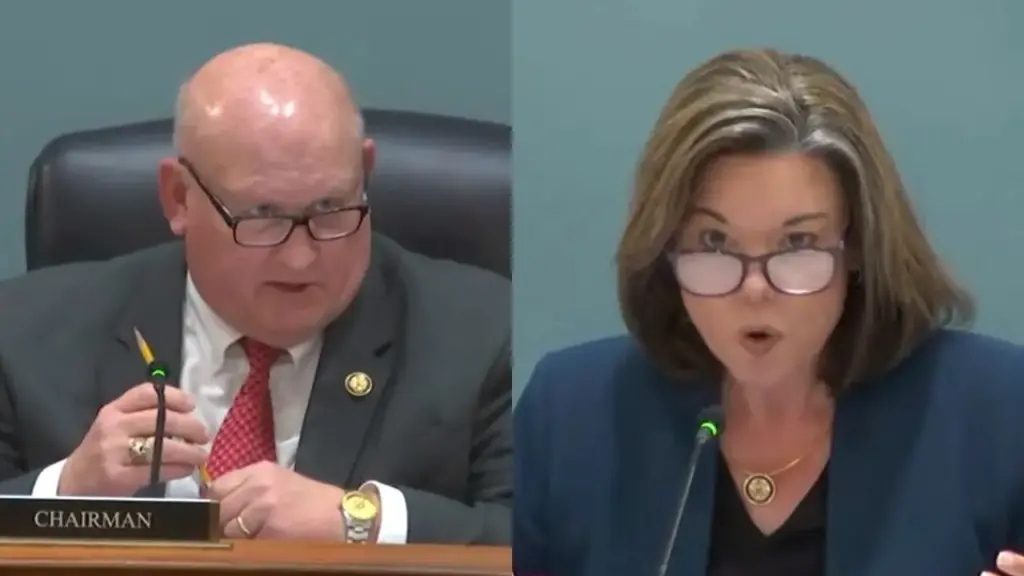
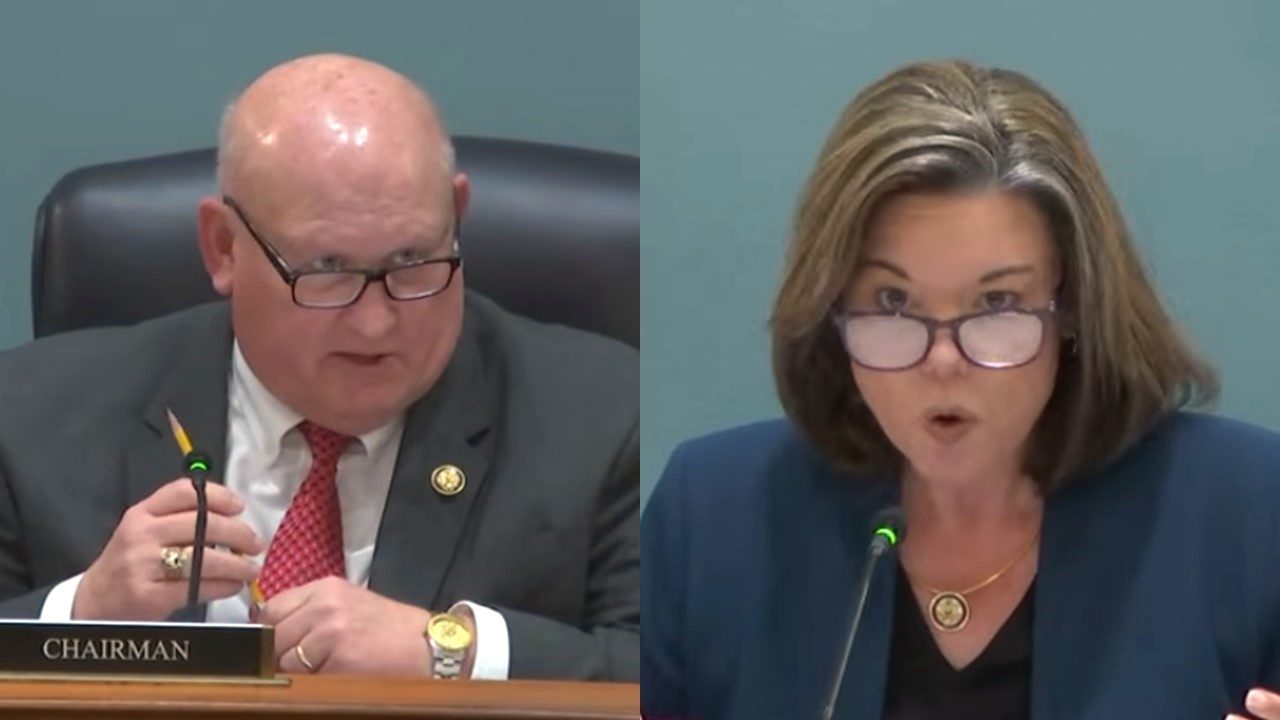
As the House Ag Committee kicked off its mark-up on Farm Bill 2.0 Tuesday evening—Republicans and Democrat leaders traded sharp jabs and spotlighted their divisions over the content of the bill.
“This is a practical farm bill that provides real and workable solutions,” said Rep. Glenn “GT” Thompson (R-PA-15), who serves as Chairman of the House Ag Committee. He also introduced Farm Bill 2.0—which is formally called The Farm, Food, and National Security Act of 2026.
In his opening statements before the markup began, he said many Democrats—including Rep. Angie Craig (D-MN-02), who serves as Ranking Member of the House Ag Committee—have chosen to remain partisan rather than work together with Republicans for much of the bill.
“Throughout the creation of this Farm Bill was an open and honest process,” said Thompson. “My door was open to anyone who had practical, actionable items for improving ag policy. Every member was given the opportunity to provide input, and if I didn’t receive your priorities, that comes down to a breakdown in party leadership.”
However, Craig said in her opening statement that the legislation fails to address the most pressing challenges facing producers.
“This bill will not restore lost export markets or lower input costs. It doesn’t help American children, seniors, and veterans afford their groceries, or states and counties avoid an unfunded mandate that we, this body—Republican-led body—shifted those SNAP (Supplemental Nutrition Assistance Program) costs to them.”
Craig did bring up several items in the bill that she felt were critical for producers.
“Codifying the Reconnect program to expand broadband access for rural Americans, making crop insurance more affordable and accessible for our veterans, and the PACE Act to improve credit and increase USDA loan limits,” she said.
Thompson encouraged the committee members to vote based on what is in the bill, instead of based on what isn’t in the bill.
“The ranking members denounce this bill because it doesn’t contain year-round E-15, doesn’t provide emergency assistance for farmers, and doesn’t change the tariff policy. I’m very supportive of all three of those things. It’s just not our jurisdiction. If we were to broach these topics, we would need to be—not the Agriculture Committee—but Energy and Commerce, Appropriations, and ultimately, the Ways and Means Committee, and those are items outside of our jurisdiction. Not that I wouldn’t like to see them get done in this Congress,” said Thompson.
The biggest sticking point between Craig and other Democrats on the committee and Republican lawmakers remains funding for SNAP. Democrats argue that the bill’s expanded work requirements effectively slash $187 billion from the program, a move they say has already led to hundreds of thousands of Americans losing some or all of their food assistance.
“Cutting SNAP by $187 billion has already resulted in hundreds of thousands of Americans having their food assistance either reduced or eliminated,” Craig said.
Republicans on the committee rejected a Democratic amendment to restore the funding on a voice vote; Democrats then requested a recorded vote, which was postponed. With the issue now unfolding in the middle of a midterm election year, the SNAP fight may once again derail the bipartisan support that helped pass the Farm Bill when it was last renewed in 2018.
CLICK BELOW for Hoosier Ag Today’s radio news report:
Your browser doesn’t support HTML5 audio
CLICK BELOW to watch the full videos of the Farm Bill markup in the House Ag Committee:
