
The U.S. Supreme Court on Friday invalidated President Trump’s broad global tariffs, saying that he overstepped his legal authority by invoking a statute intended for national emergencies.
In a 6–3 decision in Learning Resources, Inc. v. Trump, the justices ruled that the administration’s sweeping tariffs on goods entering the United States were not authorized under the 1977 International Emergency Economic Powers Act (IEEPA). The law grants the president certain powers during national emergencies, but the Court determined it does not permit the kind of expansive tariff program implemented by Trump.
The decision voids many of the tariffs enacted under that authority, though some remain in place under other legal provisions.
Reacting to the ruling, Trump criticized the decision as a “disgrace” and announced plans to move forward with a 10% global tariff through a different statute, which allows such measures for up to 150 days. He indicated he will continue advancing his trade agenda through alternative legal avenues.
Chief Justice John Roberts joined the majority opinion, along with Justices Neil Gorsuch and Amy Coney Barrett, both of whom were nominated to the high court by Trump.
In the wake of the ruling, several agricultural leaders released statements responding to the Court’s decision.
Scott Metzger, President of the American Soybean Association (ASA):
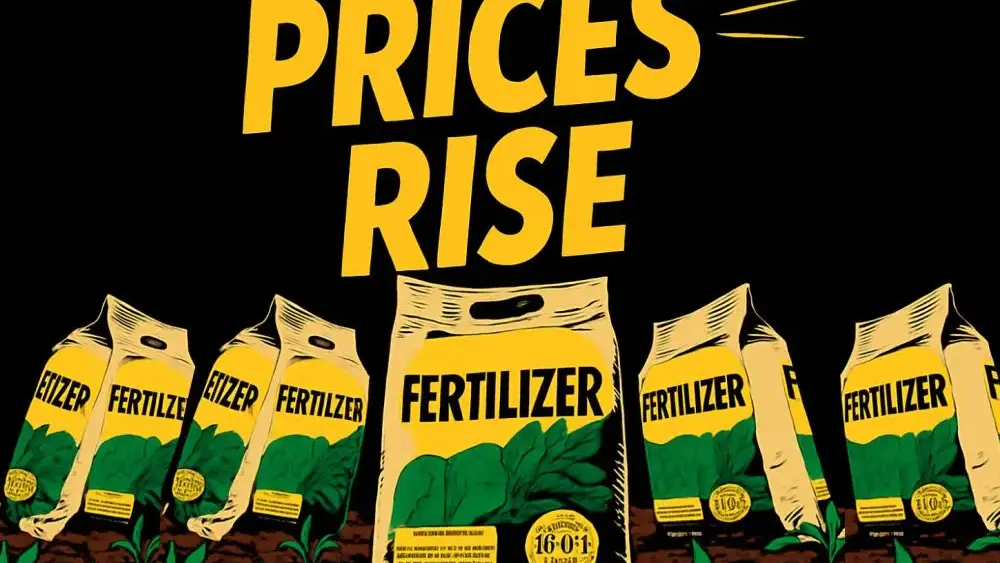
“The case at the Supreme Court has been closely followed by soybean farmers who have seen the cost of inputs rise over the past year due to tariffs. U.S. soybean growers are reliant upon imports for critical farming tools like fertilizer, seeds, pesticides, and agriculture equipment.
“Moving forward, certainty and dependable market access are essential for U.S. soy to remain competitive globally. Because farmers are caught in a cost-price squeeze and ag input costs remain high, we urge the President to refrain from imposing tariffs on agricultural inputs using other authorities. We look forward to working with the Trump Administration and Congress to strengthen market opportunities and support a stable farm economy for generations to come.”
Duane Simpson, President and CEO of the National Council of Farmer Cooperatives (NCFC):
“America’s farmers and cooperatives are operating in one of the most challenging farm economies in years, and USDA forecasts point to another difficult season ahead for row crop producers. According to USDA’s Economic Research Service, input costs are expected to climb again in 2026, reaching record highs for many crops including corn, soybeans, wheat, sorghum, cotton, rice, and peanuts.
“After substantial price increases over the past five years, tariffs on critical agricultural inputs have added to financial pressures at a time when margins are already razor thin.
“With President Trump’s announcement that he is imposing temporary 10% tariffs under other authorities, we urge that the Administration exempt key agricultural inputs. The recent decision to pull back tariffs on certain fertilizer products—which NCFC and other ag groups had asked for—provided meaningful relief, and this ruling presents an opportunity for the president to build on that progress and reinforce his support for America’s farmers. Policymakers should focus on lowering input costs, restoring certainty in supply chains, and strengthening the competitiveness of U.S. agriculture in global markets.”
Zippy Duvall, President of the American Farm Bureau Federation:
“America’s farmers understand the president’s efforts to use tariffs to create a more level playing field for U.S. goods, U.S. workers and the U.S. economy. Unfortunately, trade disruptions and declining prices for agricultural goods created additional hardships for farmers who came into 2025 already dealing with crippling inflation and declining farm prices. We appreciate the President responding to trade and market disruptions by delivering important financial assistance. Open and fair markets are critical to help rebuild the farm economy.
“In light of today’s Supreme Court ruling, we urge the administration to work swiftly to find other ways to resolve trade disputes and finalize recently announced trade frameworks. With supply costs already at or near record highs, we strongly encourage the president to avoid using any other available authorities to impose tariffs on agricultural inputs that would further increase costs. America’s farmers and ranchers need stability to ensure families across America can put food on their tables.”